AGP Executive Report
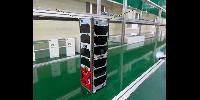
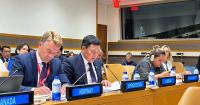
Last update: 6 hours agoSatellite for farming and glaciers: Kyrgyzstan unveiled its first homegrown satellite and says it will launch in early October from California, with imagery to track farmland, pastures, drought signs, crop yields, and also support environmental monitoring like glaciers and water resources. Urban environment upgrades: Bishkek’s mayor met the EBRD to continue cooperation on heating, water supply, and public transport—aimed at improving the city’s urban environment. Issyk-Kul protection push: Kyrgyz officials at the UN highlighted ocean and marine biodiversity responsibilities and renewed calls for stronger preservation of Issyk-Kul, including a proposed UN fund. Climate finance at the UN: Kyrgyzstan’s climate leadership emphasized expanding access to affordable, predictable climate finance for vulnerable countries, pointing to national frameworks like NDC 3.0 and carbon-neutrality plans. Water and land stewardship: A new “green” direction for financing is gaining traction through guarantee mechanisms, with mentions of drip irrigation and electric transport as priority projects. Sustainable tourism plan: Kyrgyzstan proposed promoting Central Asia as a unified, responsible tourism destination, linking tourism growth with environmental protection and heritage preservation.
Note: AI summary from news headlines; neutral sources weighted more to help reduce bias in the result. Feedback is welcome. Please let us know if you have any comments or suggestions about the AGP Executive Report.

 Perspectify News